- The New Identity of Healthcare
- Saudi Care
- Patient Care
- Articles
- Career
- Locations
- Health Tools
- FAQs
- Contact Us

Accurate Diagnosis at Saudi Hospital Spares a Child from Unnecessary Treatment
Accurate Diagnosis at Saudi Hospital Spares a Child from Unnecessary Treatment
- 31 Jan, 2026
- M&C
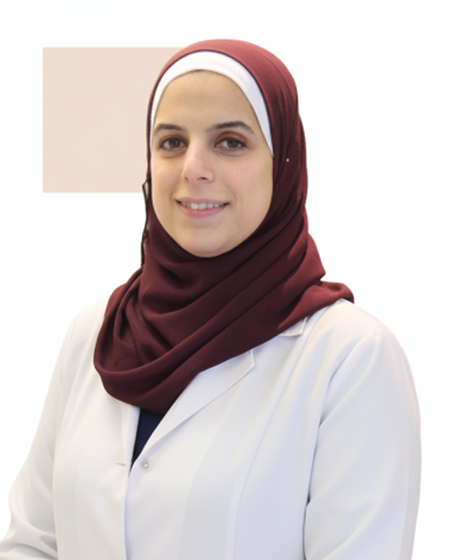
In a meaningful clinical case from the clinic of Dr. Hanan Atwan, Consultant Pediatric Neurologist, a 9-year-old child presenting with recurrent fainting episodes initially resembling epilepsy was accurately diagnosed after careful clinical observation. The child exhibited normal growth, demonstrated clear intelligence, and had a supportive family environment. Over recent months in Saudi Arabia, he underwent extensive medical evaluations, including prolonged Video-EEG monitoring, Holter monitoring, and advanced neuroimaging (MRI, MRA, and MRV). Yet, the episodes persisted, leading to frequent school absence and significant emotional and physical exhaustion for the family.
Seeking a second medical opinion in Jordan, the child experienced an episode while in the clinic corridor. During the event, several key clinical signs were noted, including closed eyes throughout the episode, immediate recovery without post-ictal confusion or drowsiness, and a specific stimulation method used by the parents to “wake” the child. Given these observations, a review of the hospital corridor surveillance footage, when available, an invaluable diagnostic tool, was requested. The video revealed that the child was monitoring his surroundings, waiting for a moment with fewer people present, protecting himself before falling, and then closing his eyes.
These findings strongly supported a diagnosis of psychogenic non-epileptic seizures (PNES), also referred to as non-functional seizures, rather than epilepsy. This accurate diagnosis helped avoid further unnecessary investigations and inappropriate treatments. The case was subsequently managed in collaboration with child psychiatry specialists, the diagnosis was confirmed an appropriate treatment plan was established.
“This case highlights the critical importance of detailed clinical observation, multidisciplinary collaboration, and thoughtful assessment in reaching an accurate diagnosis and protecting patients and families from prolonged and avoidable medical journeys.”